Your neurodivergent child deserves sleep support that actually understands their brain.
Paediatric occupational therapy for children with ADHD and autism - helping families across Perth and Australia understand why sleep is hard, and what may help.
The advice keeps coming. But nothing quite fits your child.
"Try a routine."
"Limit screens."
"Be consistent."
You've heard it all and you've tried most of it. But your child with ADHD or autism isn't struggling at bedtime because you haven't found the right sticker chart. Their nervous system experiences the world differently, and winding down at the end of the day can feel genuinely hard for their body and brain.
The resistance, the meltdowns, the second wind at 9pm, the waking at 2am. These aren't behaviour problems. They're often signals from a nervous system that hasn't found its way to feeling safe and settled enough to rest.
That's where occupational therapy comes in.
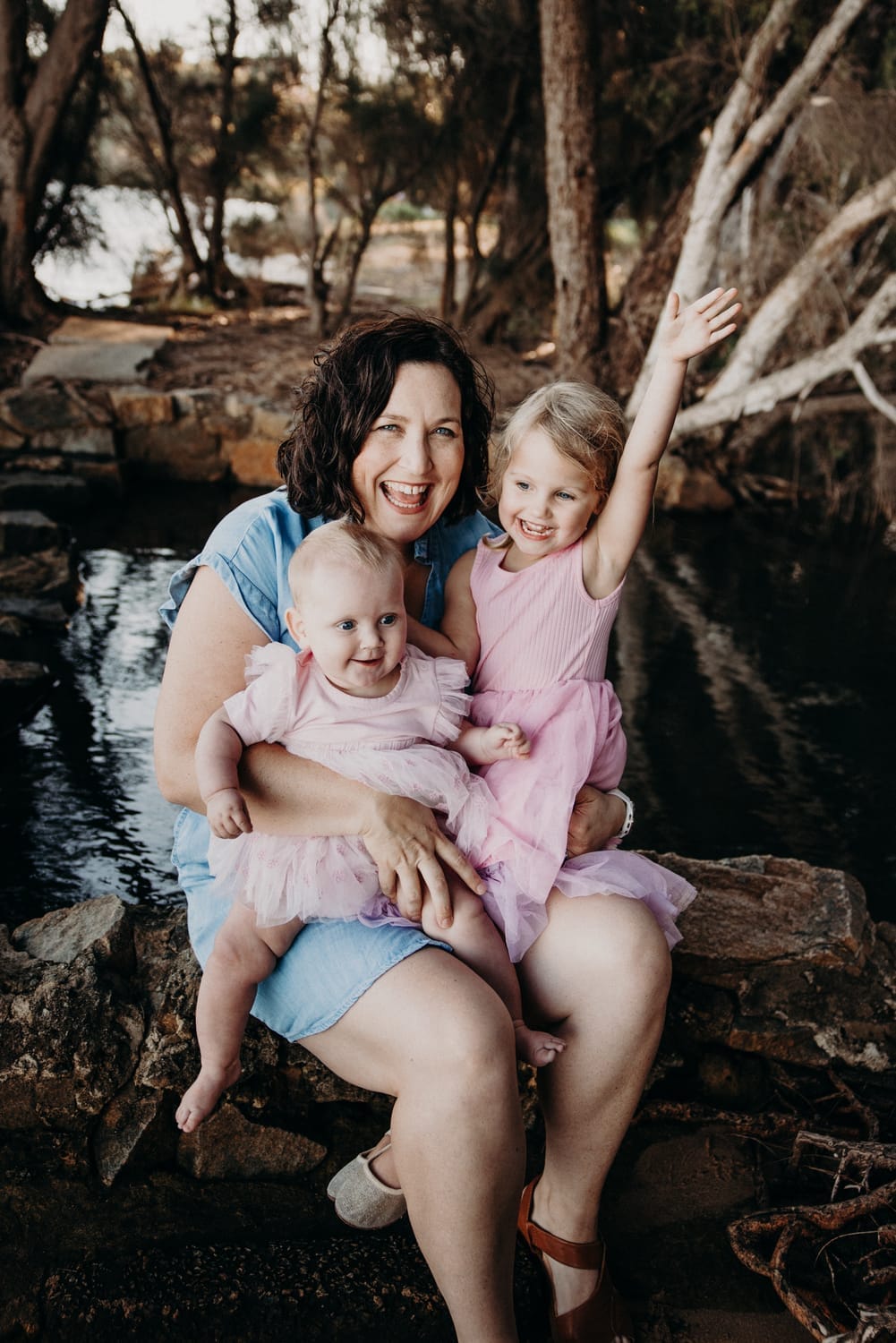
Meet Jessinta
I didn’t choose sleep by accident.
I saw too many families being told their child would 'grow out of it.'
Parents running on empty.
Neurodivergent kids given strategies that were never designed for their nervous system
So I built my work around what actually moves the needle: regulation first.
I’m Jessinta Benton, a paediatric occupational therapist based in Maylands,
supporting families across Perth and Australia via telehealth.
I work with babies through to teens,
with experience supporting children with sensory processing differences,
ASD, ADHD, emotional regulation and
— most of all — sleep.
I’m AHPRA registered and trained in paediatric occupational therapy,
but what matters most is this:
I understand how heavy it feels when your child isn’t sleeping.
There’s guilt. Doubt. Exhaustion. Second-guessing.
My philosophy is simple - behaviour makes sense when you understand the body behind it.
When we support your child’s nervous system, other things often become more manageable.
And you deserve support that feels clear, calm and doable.
How to Work With Me
THE DREAM SLEEP METHOD™
3-Month 1:1 Intensive
For families with complex or ongoing sleep challenges who want comprehensive, personalised OT support. Includes a deep-dive sensory assessment, fortnightly sessions, a personalised home environment audit, and NDIS-ready clinical documentation.
Funding: NDIS Self/Plan Managed, Medicare CDM, private health, or self-funded.
BEYOND THE ZZZ’s
Neurodiverse Sleep Course
Sleep support designed specifically for children with ASD, ADHD, sensory differences, or emotional regulation challenges. This course walks you through nervous-system-based sleep strategies - not rigid routines, so you can better understand your child's wiring and what may help them settle.
Funding: NDIS Self/Plan Managed, or self-funded.
NDIS
I support self-managed and plan-managed NDIS participants across Perth and Australia.
Funding can typically be used under:
Capacity Building – Improved Daily Living
Therapy supports
Reports for plan reviews
If you’re self-managed or plan-managed:
You can book directly — no referral needed.
If you’re unsure what your funding covers:
Reach out. I’ll help you understand what’s possible and what documentation is needed.
NDIS can feel overwhelming. It doesn’t have to be.
Not sure where to start? Begin here - it's free.
A practical, OT-informed guide for parents of children with ADHD or autism who are stuck in bedtime battles and not sure why.
Inside you'll find the Sensory Bedtime Menu - 10 heavy-work activities to support your child's regulation before bed, plus a
Bedroom Sensory Audit checklist to help you spot what in their environment might be getting in the way.
Frequently Asked Questions
A sleep consultant typically focuses on sleep habits, schedules, and behavioural strategies. A paediatric occupational therapist looks at the whole child — their nervous system, sensory processing, emotional regulation, daily routines, and environment — to understand why sleep is difficult, and what the body actually needs to support it. For children with ADHD, autism, or sensory differences, this deeper understanding is usually what makes the difference.
Yes. I work with children with and without a formal diagnosis. What matters is understanding your child's nervous system and how they experience the world — not what's written on a piece of paper. If you're in the process of seeking a diagnosis, or if you've been told your child doesn't quite meet criteria but clearly finds daily life challenging, you're still welcome here.
It often is, because we're looking at a different layer of the problem. Routines address when and how sleep happens. OT addresses the nervous system state that either allows or prevents sleep from occurring. For many neurodivergent children, the routine isn't the issue — it's what's happening in the body underneath it. We start there.
No referral is needed. You can apply to work together directly. If you're using a Medicare Chronic Disease Management (CDM) plan, your GP will need to issue a referral before sessions begin — I can guide you through that process.
I support self-managed and plan-managed NDIS participants. OT services are typically funded under Capacity Building — Improved Daily Living. I can provide NDIS-ready clinical documentation including assessments and reports for plan reviews. If you're unsure what your plan covers, reach out — I'm happy to help you make sense of it.
Private health cover may apply depending on your level of extras cover — I'd recommend checking with your fund. Medicare coverage is available through a GP-issued Chronic Disease Management (CDM) plan, which allows up to five allied health sessions per calendar year.
Yes. I work with families across Australia via telehealth. Online sessions are effective, flexible, and mean you can access specialist support regardless of where you live. I'm based in Maylands, Perth, and see in-person clients in the Perth metro area.
I work with babies through to teenagers. Sleep challenges look different at different ages, and I tailor my approach accordingly — whether we're working on infant sleep associations, toddler bedtime resistance, or a teenager whose sleep schedule is completely reversed.
Every child and family is different, and I won't make promises about specific timelines or outcomes. What I can tell you is that when we understand what's driving the difficulty and put the right supports in place, families usually start to notice shifts in how their child's nervous system responds — both at night and during the day. The 3-month intensive is structured to give us enough time to go deep, build on what's working, and adjust as we go.
That's what the application process is for. Once you apply, we'll have a conversation about what's going on for your child and whether working together makes sense. There's no pressure — if I'm not the right fit, I'll do my best to point you in a helpful direction.